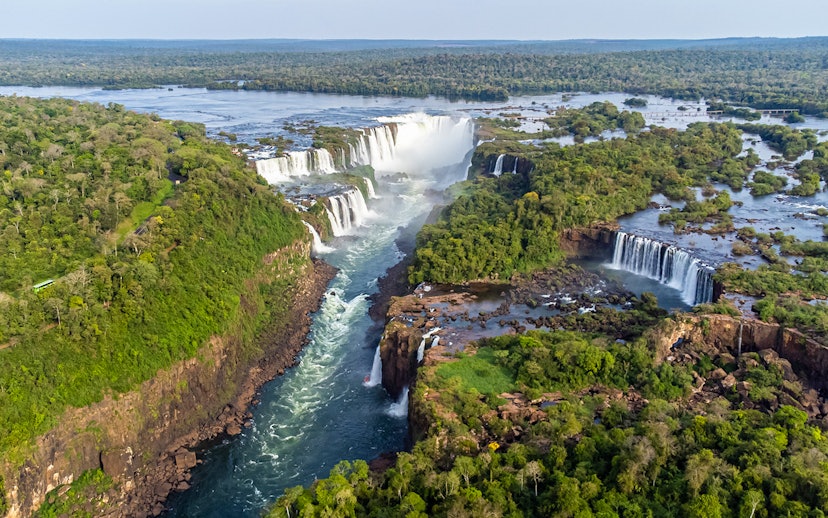
Indigenous peoples first revere the falls as a sacred site in their oral traditions.
The history of Iguazu Falls
Iguazu Falls has captivated hearts for centuries with its awe-inspiring cascades and deep cultural roots. This page journeys through its early discovery, indigenous connections, European exploration, and development into a renowned natural wonder.
Historical timeline of Iguazu Falls
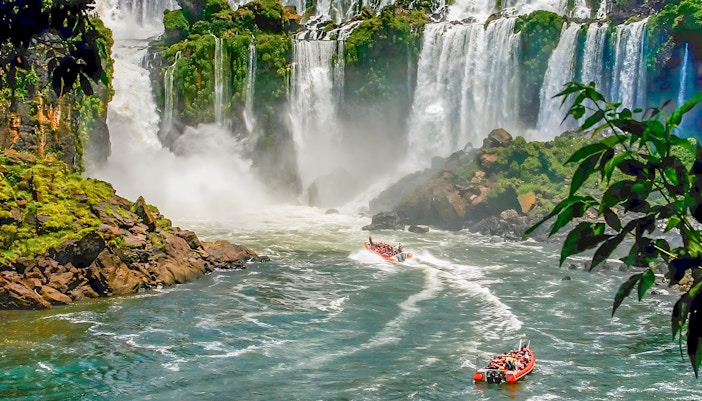
4th Century BC

1502
European explorers, driven by the quest for new lands, encounter the falls. Their accounts mark the first documented discovery of Iguazu Falls.
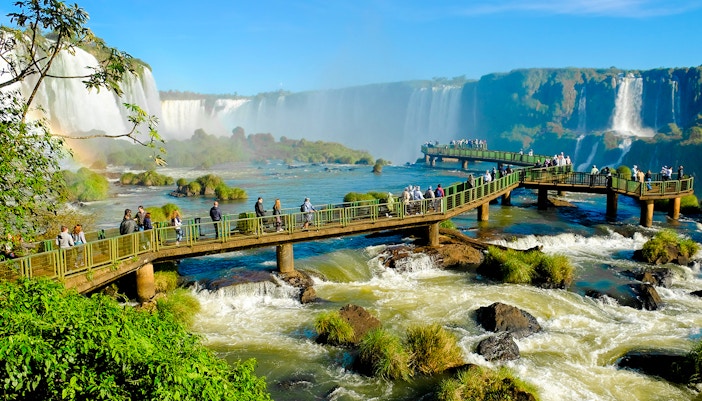
16th – 18th Centuries
Subsequent expeditions and missionary activities deepen European interest, intertwining with local legends.
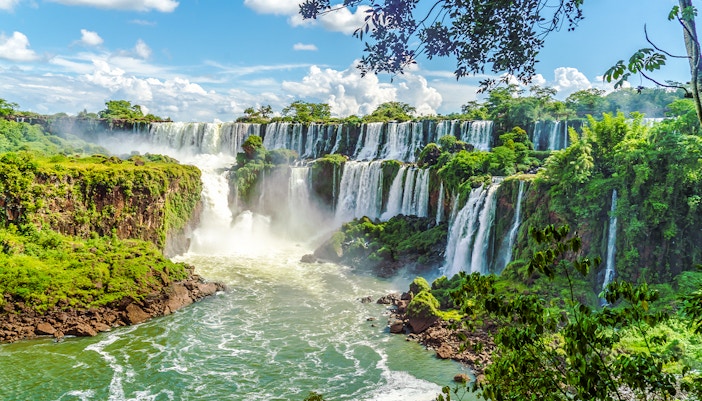
19th Century
The falls gain prominence as explorers document their grandeur, prompting early tourist interest and scientific study.
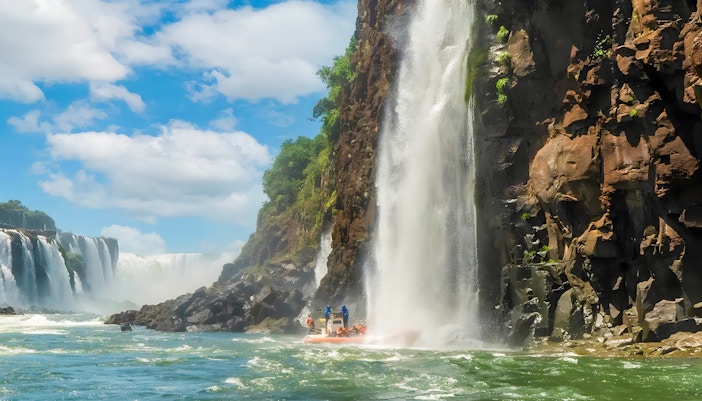
20th Century to Present
Modern conservation efforts and sustainable tourism practices emerge, ensuring the falls’ preservation and global admiration.
History explained
Iguazu Falls’ story is a tapestry woven from ancient indigenous reverence and dramatic European encounters. Indigenous communities long regarded the falls as a mystical source of life, embedding its essence in their cultural narratives. In 1502, the European arrival transformed its perception: explorers marveled at its power, and subsequent missions chronicled their interactions, blending myth with emerging science. Over time, as tourism blossomed, local and international conservation measures evolved to protect its natural splendor. Today, the falls stand as both a symbol of natural beauty and a testament to centuries of cultural exchange.
Iguazu Falls today

Today, Iguazu Falls draws visitors from around the globe to witness its breathtaking display. Modern tourism has balanced access with preservation, ensuring that conservation programs protect the falls’ ecosystem while enabling immersive visitor experiences. Ongoing research and community-based management continue to honor its indigenous heritage and historical legacy.
Frequently Asked Questions about Iguazu Falls history
Historical records indicate that European explorers first documented the falls in 1502, though indigenous peoples had known the site for millennia.
Arrive at opening. On the Argentina side, the standard public hours are 8am to 6pm, and reaching the gates early helps you reach Devil’s Throat before queues build.
Milestones include its early indigenous veneration, the first European encounters in 1502, later missionary documentation, and 20th-century conservation initiatives.
Local tribes revered Iguazu Falls as a sacred site, weaving its natural power into myths, rituals, and cultural identity.
European explorers chronicled its magnificence, which spurred further scientific study and gradually shifted the falls into a tourist destination.
From early explorers’ accounts to modern eco-tourism, visitor access has grown while conservation measures have ensured its preservation.
Sustainable tourism policies, collaborative management with local communities, and government protection work together to safeguard Iguazu Falls.